Sump Pump Failure Flooding in Guelph
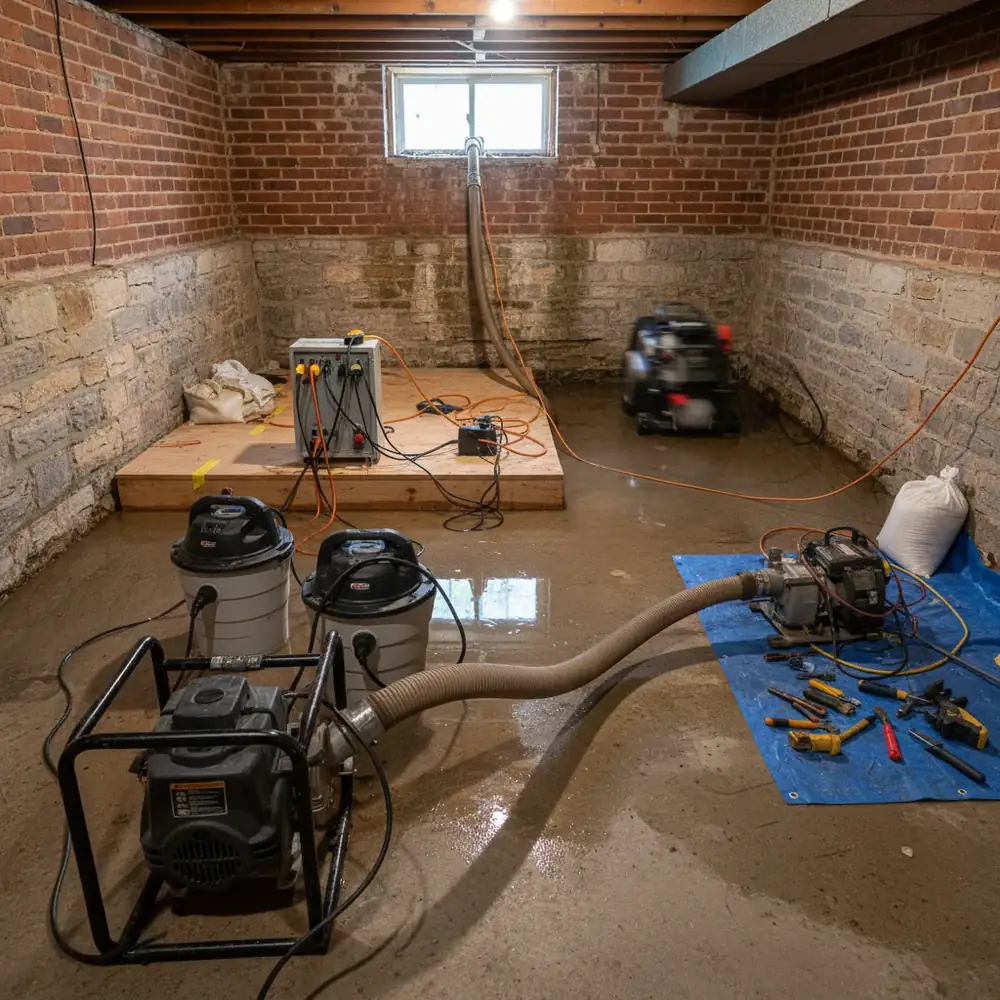
Sump pumps fail in exactly the conditions they exist for: power outages during storms, float switches jammed after years of silt, or pumps that simply burned out unnoticed. South-end Guelph subdivisions with high water tables are especially dependent on them — when the pump stops in March melt, the pit overflows within hours.
We handle the flood like any other (extract, tear out what's gone, dry and verify), but with a failure-specific extra: figuring out why the pump stopped and what redundancy you need so this is the last time. Usually that's a battery backup pump, a high-water alarm, or both.
- Emergency extraction even while the water table is still high
- Pump failure diagnosis (power, switch, capacity, age)
- Battery-backup and water-powered backup options explained straight
- High-water alarms from $30 — the cheapest insurance there is
What it costs in Guelph
- Pump-failure flood cleanup: $1,500–$6,000 depending on finish level
- Battery backup sump system, installed (by plumber): $1,200–$2,500
- Wi-Fi high-water alarm: $30–$150, DIY
- Note: many policies cover pump-failure floods only with a specific endorsement — check yours
Sump Pump Failure Response FAQs
How long do sump pumps last?
7–10 years typical. If yours is past that and runs often, replace it proactively — a $300 pump is cheaper than any flood.
Battery backup or water-powered backup?
Battery: works anywhere, needs battery maintenance every few years. Water-powered: unlimited runtime but needs municipal pressure and uses a lot of water. For most Guelph homes we'd take battery plus an alarm.
Why did it flood if the pump still works?
Capacity. Spring melt plus a heavy rain can exceed what one pump moves. The fix is a higher-capacity primary, a second pump at a higher float level, or improving exterior grading and downspout discharge.
Is pump-failure flooding covered by insurance?
Only with a sump/sewer endorsement on most policies — and insurers may ask about pump age and maintenance. Worth a call to your broker today, not after.